

Key Takeaways:
- Business Model: Learn how dropshipping works, why it remains a popular ecommerce model, and what to expect before getting started.
- Launch Strategy: Understand the essential steps for choosing a niche, finding suppliers, building your store, and preparing for launch.
- Sustainable Growth: Gain practical tips for marketing, improving customer experience, and scaling your dropshipping business over time.
Starting a dropshipping business is one of the most accessible ways to enter ecommerce, but success takes more than launching an online store. From choosing the right products to working with dependable suppliers and attracting customers, every decision plays a role in building a business that can grow over time. Understanding the process before you begin can help you avoid common challenges and make smarter decisions from day one.
At RetailHub, we help entrepreneurs and online businesses make informed ecommerce decisions through practical guides, industry insights, and trusted resources. Our goal is to simplify complex topics and provide reliable information that supports every stage of your e-commerce journey, whether you’re launching your first store or expanding an existing one.
In this piece, we will discuss how to start dropshipping in 2026, including the essential steps, practical tips, and best practices for building a successful and scalable dropshipping business.
What Is Dropshipping?
Dropshipping is an e-commerce business model where you sell products without keeping inventory. Instead of storing items yourself, you partner with a supplier who handles product storage, packing, and shipping after a customer places an order. This allows you to focus on managing your online store, marketing your products, and serving your customers.
The model has become increasingly popular because it lowers the barrier to starting an online business. Since you do not need to purchase inventory upfront, you can test different product categories with less financial commitment. Success, however, still depends on choosing reliable suppliers, offering quality products, and creating a positive shopping experience.
Working with trusted suppliers is one of the most important parts of building a successful store. Exploring RetailHub’s Brands can help you discover reputable companies and products that align with your niche, making it easier to create a catalog that meets customer expectations.
How to Start Dropshipping in 2026 Step by Step
Starting a dropshipping store involves more than choosing products to sell. Following a clear process helps you build a solid foundation, improve the customer experience, and prepare your business for long-term growth:
- Choose a Profitable Niche: Select a niche with steady demand and a clear target audience. Research market trends and competitors to find products with growth potential.
- Find Reliable Suppliers: Work with suppliers known for quality products and timely fulfillment. Reviewing samples and supplier performance can help you avoid issues later.
- Build Your Online Store: Choose an e-commerce platform that fits your needs and create a user-friendly store. If you’re using Shopify, RetailHub’s guide to the QCK – Best Shopify Agencies is a helpful resource for finding experienced partners.
- Add Products and Optimize Listings: Write unique product descriptions, use quality images, and provide accurate pricing. Well-optimized listings make it easier for customers to understand your products.
- Set Up Payments and Shipping: Offer secure payment methods and clearly explain your shipping and return policies. Transparency helps create a smoother buying experience.
- Launch Your Store: Test your website before going live to confirm everything works properly. Continue monitoring performance and make improvements as your business grows.
Dropshipping for Beginners: Tips for Long-Term Success
Growing a successful dropshipping business takes consistent effort beyond launching your store. Focusing on customer satisfaction, marketing, and ongoing improvements can help you build a business that lasts:
Focus on Customer Experience
Respond to customer inquiries promptly and keep shoppers informed about their orders. Positive experiences can lead to repeat purchases and referrals.
Invest in Marketing
Use a mix of social media, email marketing, and paid advertising to reach potential customers. You can also improve your organic reach by learning how to Boost Your Online Visibility with Expert SEO through RetailHub’s expert guide.
Monitor Store Performance
Track key metrics such as traffic, conversions, and best-selling products. Reviewing your data regularly helps you identify what is working and where improvements are needed.
Keep Testing and Improving
Update product offerings, refine your marketing campaigns, and optimize your website based on customer feedback. Small improvements over time can have a significant impact on your store’s growth.

How to Start a Dropshipping Business That Can Grow
Building a successful dropshipping business is only the beginning. To support long-term growth, focus on strategies that improve efficiency, strengthen your brand, and adapt to changing customer needs:
- Build a Strong Brand: Create a consistent brand identity through your store design, messaging, and customer experience. A recognizable brand helps you stand out in a competitive market.
- Expand Your Product Catalog: Introduce complementary products based on customer demand and sales data. Expanding thoughtfully can increase average order value and encourage repeat purchases.
- Automate Repetitive Tasks: Use automation tools to manage inventory updates, order processing, and customer communication. This saves time and allows you to focus on growing your business.
- Stay Updated on Industry Trends: Keep an eye on e-commerce, consumer preferences, and emerging technologies. Adapting to changes can help your business remain competitive and continue growing.
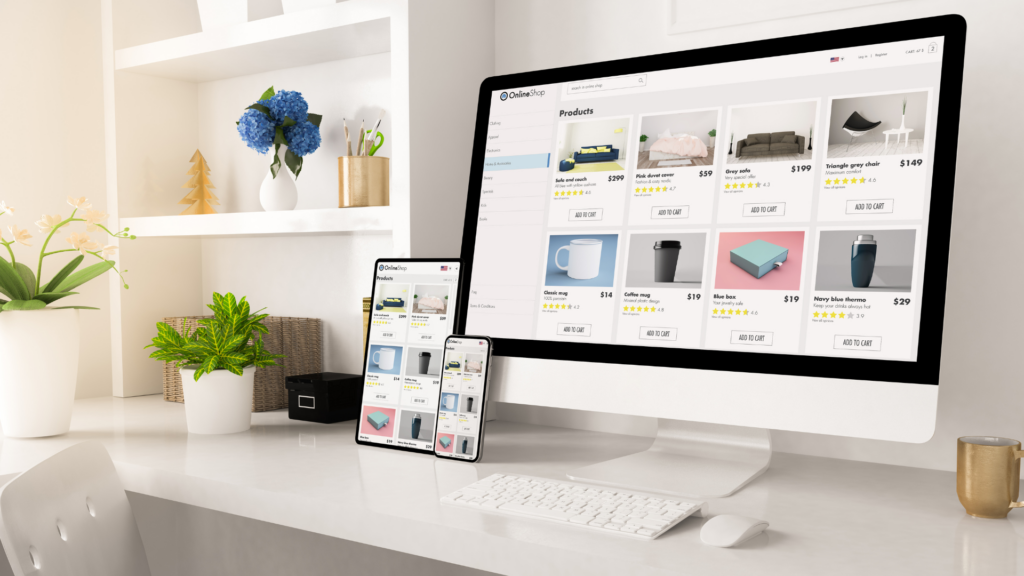
Final Thoughts
Learning how to start dropshipping is only the first step toward building a successful e-commerce business. By choosing the right niche, partnering with reliable suppliers, and continuously improving your store, you can build a business well-positioned for long-term growth.
As the e-commerce landscape continues to evolve in 2026, staying informed and adapting to new trends will help you remain competitive. With a clear strategy and the right resources, you can build a dropshipping business that delivers value to your customers and supports your long-term goals.
Frequently Asked Questions: How to Start Dropshipping
How much money do you need to start dropshipping?
The amount varies depending on your platform, domain, apps, and marketing budget. Many beginners start with a few hundred dollars to cover essential setup costs.
Is dropshipping still profitable in 2026?
Yes, dropshipping can still be profitable if you choose the right niche, work with reliable suppliers, and invest in effective marketing. Success depends on your strategy, not on the business model itself.
Can I start dropshipping without a business license?
Requirements vary by country and state. While some sellers may begin before registering a business, obtaining the necessary licenses and permits is recommended as your business grows.
How long does it take to make your first sale?
Some stores generate sales within days, while others may take weeks or months. Product demand, marketing efforts, and website quality all influence how quickly you attract customers.
Which e-commerce platform is best for dropshipping?
Popular options include Shopify, WooCommerce, and BigCommerce. The best choice depends on your budget, technical skills, and the features you need.
Can I sell internationally with a dropshipping store?
Yes. Many suppliers ship to multiple countries, allowing you to reach a global audience. Be sure to review shipping costs, delivery times, and import regulations before expanding.