

Key Takeaways:
- Getting Started: Learn the essential steps, requirements, and preparation needed before selling on Amazon.
- Optimizing for Success: Understand how effective product listings and fulfillment choices can improve your sales potential.
- Growing Your Business: Discover practical strategies to increase visibility, manage operations, and scale your Amazon business over time.
Selling on Amazon remains one of the most accessible ways to reach a global audience and grow an online business. With new tools, updated features, and changing customer expectations in 2026, understanding how the platform works can help you make smarter decisions from day one. Whether you’re launching your first product or expanding your existing business, knowing the right steps can set you up for steady, long-term growth.
At RetailHub, we help businesses make informed ecommerce decisions through practical resources, trusted brand insights, and curated product recommendations. Our goal is to simplify complex topics and provide guidance that helps sellers build, manage, and grow successful online businesses.
In this guide, we’ll walk you through the key steps to selling on Amazon in 2026. You’ll learn how to prepare for launch, create effective product listings, choose the right fulfillment method, and apply practical strategies to support long-term growth.
What You Need to Know Before You Start Selling on Amazon
Before you begin selling on Amazon, it’s important to understand how the marketplace works and what you’ll need to get started. A little preparation can help you avoid common mistakes and build a stronger foundation for long-term success:
Understand the Marketplace
Amazon allows businesses of all sizes to reach millions of shoppers. Learning how listings, search results, and fulfillment work will help you make better decisions from the start.
Choose the Right Selling Plan
Amazon offers Individual and Professional selling plans. Select the one that best matches your expected sales volume, budget, and business needs.
Prepare Your Seller Information
Have your business details, tax information, bank account, and payment method ready before creating your seller account. This makes the registration process faster and easier.
Research Products
Take time to evaluate demand, competition, pricing, and profitability before listing products. If you’re looking for reliable inventory, explore our Shop for products that can help you get started.
Learn Amazon’s Policies
Understanding Amazon’s selling policies, product requirements, and performance standards can help you maintain a healthy seller account and avoid unnecessary issues.
How to Create Listings and Succeed at Selling on Amazon
Your product listing is often the first impression shoppers have of your brand. A well-optimized listing can improve visibility in search results, attract more clicks, and increase the likelihood of making a sale:
- Write Clear Product Titles: Create descriptive titles that accurately explain your product while naturally including relevant keywords. Keep them easy to read and focused on the most important product details.
- Use High-Quality Images: Upload clear, professional images that showcase your product from multiple angles. Including lifestyle photos can also help shoppers understand how the product is used.
- Create Informative Product Descriptions: Highlight your product’s key features and benefits in a way that’s easy to scan. Focus on answering common customer questions and explaining what makes the product valuable.
- Price Competitively: Research similar products to set a competitive price while maintaining healthy profit margins. Review your pricing regularly to stay aligned with market trends.
- Optimize Your Brand Presence: A strong brand helps build trust and encourages repeat purchases. Browse our Brands to see how established businesses position themselves across different product categories.

Is Amazon FBA the Right Fulfillment Option?
Choosing how you’ll fulfill customer orders is an important part of selling on Amazon. Your fulfillment method affects shipping speed, operating costs, and the overall customer experience. Understanding your options can help you select the approach that fits your business goals.
Amazon FBA (Fulfillment by Amazon) allows you to send inventory to Amazon’s warehouses, where the company stores, packs, ships, and handles customer service for eligible orders. This option can save time and make scaling easier, but it also comes with storage and fulfillment fees that should be factored into your pricing.
If you prefer more control over inventory and shipping, Fulfillment by Merchant (FBM) lets you manage the entire fulfillment process yourself. Compare the costs, resources, and operational needs of both methods before deciding which one best supports your business.
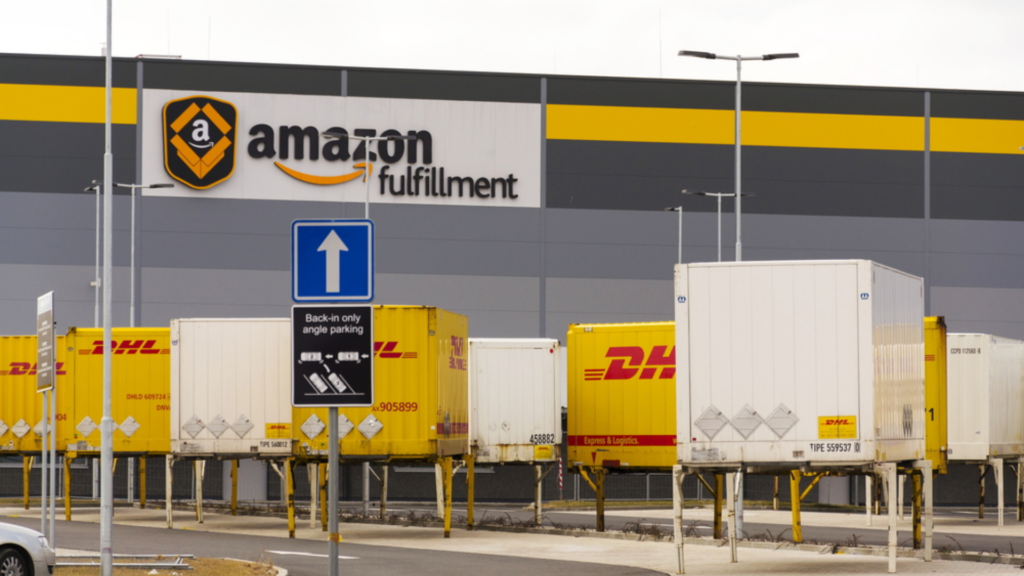
Tips to Grow Your Amazon Business in 2026
Growing your Amazon business takes more than listing products. Consistently improving your operations and adapting to customer expectations can help you increase sales and build a stronger presence over time:
- Monitor Your Performance: Track key metrics such as sales, conversion rates, and customer feedback to identify what’s working and where improvements are needed. Regular reviews allow you to make informed decisions based on real data.
- Keep Inventory Well Stocked: Maintaining healthy inventory levels helps prevent stockouts and missed sales opportunities. Forecast demand and replenish products early, especially during seasonal peaks.
- Invest in Marketing: Use Amazon Ads, promotions, and optimized product listings to reach more shoppers. If you’re planning to expand beyond Amazon, explore our guide to the QCK – Best Shopify Agencies to support your multichannel ecommerce strategy.

Final Thoughts
Learning how to sell on Amazon starts with building a strong foundation, from choosing the right products and creating optimized listings to selecting a fulfillment method that fits your business. As your store grows, regularly reviewing your performance and adapting your strategy can help you stay competitive.
Success on Amazon doesn’t happen overnight, but consistent effort and informed decisions can make a significant difference. Focus on delivering quality products, providing a great customer experience, and refining your approach as the marketplace continues to evolve.
Frequently Asked Questions: How to Sell on Amazon
What can I sell on Amazon?
You can sell products across many categories, including home goods, electronics, beauty, clothing, and office supplies. Some categories may require approval before you can list products.
Do I need a registered business to sell on Amazon?
Requirements vary by country. Many individuals can start selling without a registered business, but forming one may provide legal and tax benefits as your business grows.
How long does it take for a new listing to appear on Amazon?
Most new listings appear within a few minutes, but some may take several hours to become visible, depending on Amazon’s review process.
Can I edit my product listing after it goes live?
Yes. You can update product titles, descriptions, images, pricing, and other listing details through your Seller Central account whenever needed.
How do I handle product returns?
Amazon provides return policies that sellers must follow. The return process depends on whether you fulfill orders yourself or use Amazon’s fulfillment services.
Can I sell internationally through Amazon?
Yes. Amazon offers programs that allow eligible sellers to expand into international marketplaces, though additional taxes, regulations, and shipping requirements may apply.