

Key Takeaways:
- Customer Trust: Accurate product images help shoppers understand what they are buying and form realistic expectations.
- Photography Investment: Equipment, professional services, and image licensing should align with your catalog needs and budget.
- Continuous Improvement: Reviewing image performance and updating outdated visuals can support a better shopping experience and fewer image-related misunderstandings.
E-commerce product photography helps online shoppers see what they are buying before making a purchase. Since customers cannot handle products in person, clear and appealing images help them understand a product’s appearance, features, and details. The right photos can make product pages more informative and help shoppers feel more comfortable making a decision.
At RetailHub, we value research-backed insights, clear product information, and honest reviews that help people make informed choices. Our approach focuses on useful information and practical guidance that readers can apply when comparing products and making purchasing decisions.
In this article, we’ll cover practical E-commerce Product Photography tips, how to choose the right photography services, and the latest trends to help improve your product pages and boost conversions.
Why E-commerce Product Photography Matters for Conversions
E-commerce product photography plays a key role in helping customers make purchasing decisions. Since shoppers cannot touch, try, or examine products in person, they rely on images to understand what they are buying. Clear, high-quality photos help present products accurately, highlight important details, and give customers a better understanding of their features.
Strong product images can also build trust and encourage shoppers to explore your store. Showing products from different angles, displaying their textures, and including lifestyle photos helps customers picture how the items might fit into their lives. Pairing these visuals with informative product descriptions gives shoppers a more complete view of your offerings.
Product photography can also influence your store’s conversion rate by making product pages more engaging and easier to evaluate. Consistent visuals, accurate colors, and optimized image loading contribute to a smoother shopping experience. Combined with other e-commerce conversion rate optimization strategies, effective product photography can help reduce purchase hesitation and encourage more shoppers to complete their orders.
10 E-commerce Product Photography Tips to Boost Conversions
Effective e-commerce product photography helps shoppers understand products and make informed purchasing decisions. Focus on image quality, consistency, and useful details to create a better shopping experience. Here are ten practical tips to improve your product photos:
- Use Clear, High-Quality Images: Use sharp, high-resolution images that clearly show product features. Avoid blurry photos, and optimize image dimensions and file sizes to maintain quality without slowing down your store.
- Show Multiple Product Angles: Photograph products from the front, back, sides, and other relevant angles. Multiple views help shoppers evaluate details and understand what they are buying.
- Use Consistent Lighting and Backgrounds: Soft, balanced lighting highlights colors and textures without harsh shadows. Keep backgrounds and lighting consistent across product pages for a cohesive store appearance.
- Include Lifestyle and In-Use Photos: Show products in realistic settings to help shoppers imagine using them. For example, display furniture in a furnished room or clothing on a model alongside standard product photos.
- Highlight Product Size and Details: Use close-up shots and scale references to show dimensions, materials, and distinctive features. Include accurate measurements on product pages to help customers assess suitability.
- Keep Colors and Textures Accurate: Edit photos carefully to represent products realistically. Avoid excessive filters or retouching that could mislead shoppers about colors, materials, or finishes.
- Optimize Images for Speed and Mobile Devices: Compress image files while preserving visual quality, and use responsive sizes for different screens. A fast, mobile-friendly store supports a smoother shopping experience. Choosing a suitable e-commerce platform can also help with performance.
- Add Zoom and Interactive Image Features: Enable zoom or image-switching when shoppers need to inspect fine details. Test these features on mobile and desktop to keep product pages easy to navigate.
- Include Authentic Customer Photos: With permission, feature genuine customer photos alongside professional images. These visuals offer additional perspectives on product fit, size, and everyday use.
- Test Different Images to Improve Conversions: Compare different primary images or photo sequences to see what resonates with shoppers. Track metrics such as conversion rate and add-to-cart rate, then use the results to guide future improvements.
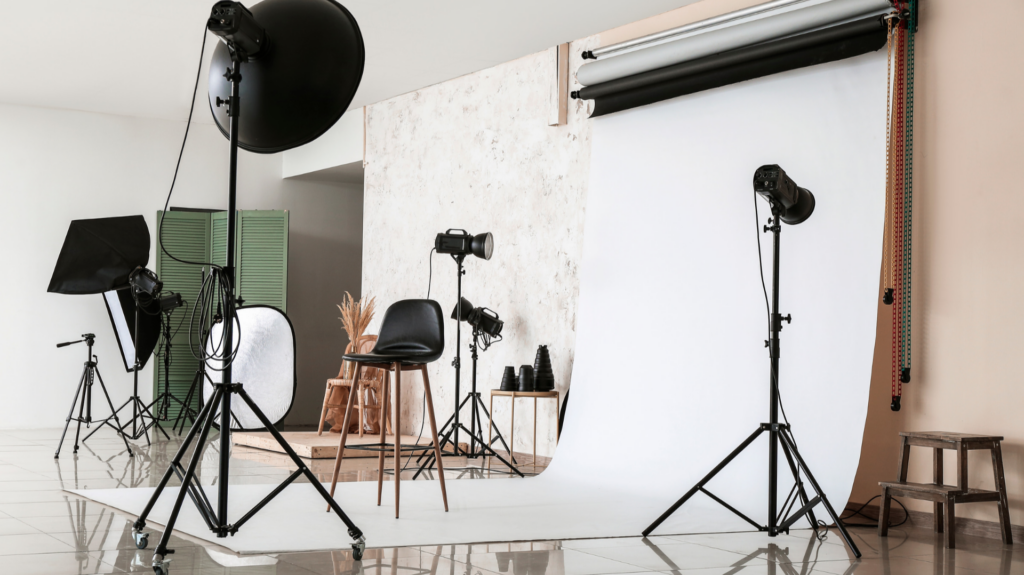
How to Choose E-Commerce Product Photography Services
Choosing the right e-commerce product photography services can help your business present products professionally and create a consistent shopping experience. Consider your product range, budget, and visual goals before deciding whether to hire a photographer or manage photography in-house.
Review Their Portfolio
Look for experience photographing products similar to yours. Review image clarity, lighting, color accuracy, and consistency to determine whether their style suits your brand.
Compare Services and Pricing
Check what each package includes, such as the number of images, editing, background removal, and lifestyle photography. Choose a service that meets your needs and budget without paying for features you do not require.
Check Turnaround Time and Flexibility
Ask about delivery schedules, revision policies, and their ability to handle larger product catalogs. Reliable timelines are especially important when preparing for product launches or seasonal campaigns.
Prioritize Consistency and Quality
Choose a provider who can maintain a consistent visual style across your catalog. Clear communication about image dimensions, backgrounds, file formats, and editing expectations helps ensure the final photos meet your store’s requirements.

Product Photography for E-commerce: Key Trends and Best Practices in 2026
Product photography continues to evolve as shoppers expect more engaging and informative online shopping experiences. In 2026, businesses can improve product presentation by combining practical visuals, emerging technology, and consistent image quality.
AI-Assisted Image Editing
AI-powered editing tools can help remove backgrounds, adjust lighting, and create consistent product images more efficiently. Review every edited image to ensure it accurately represents the product and does not mislead customers.
360-Degree and Interactive Images
Interactive product views allow shoppers to examine items from multiple angles. These features can be particularly useful for electronics, furniture, and other products where shape, construction, and detail influence buying decisions.
Authentic Lifestyle Photography
Realistic settings and natural-looking images help customers understand how products fit into everyday life. Brands can combine polished studio shots with lifestyle photography to provide a balanced view of their products.
Mobile-First Image Optimization
With shoppers browsing across different devices, mobile-friendly photography remains important. Use responsive image sizes, efficient file formats, and fast-loading product pages without compromising essential visual details.
Inclusive and Diverse Visuals
Represent products across different people, settings, and use cases when relevant to your audience. For fashion, beauty, and lifestyle products, diverse models and realistic demonstrations can help more shoppers understand how items may suit their needs.

Final Thoughts
E-commerce product photography helps shoppers understand products and make informed purchasing decisions. Clear images, accurate details, and consistent visuals can build trust and encourage customers to buy.
At RetailHub, we recommend combining quality product photos with informative descriptions and fast-loading pages to improve the shopping experience. Review your image performance regularly and update your visuals to keep your store engaging and support higher conversions.
Frequently Asked Questions About E-commerce Product Photography
What is the main purpose of e-commerce product photography?
It helps shoppers understand a product’s appearance, features, and design before making a purchase.
How much should a business budget for product photography?
Costs depend on the number of products, editing needs, equipment, and whether you hire a professional or take photos in-house.
Can small businesses take their own product photos?
Yes. A smartphone, tripod, simple lighting, and a clean background can produce quality product photos.
What equipment is needed for product photography?
Basic equipment includes a camera or smartphone, tripod, lighting, and background. Additional tools depend on the product.
What is the difference between product photography and commercial photography?
Product photography focuses on individual items, while commercial photography covers broader business needs, including advertising and brand campaigns.
How many product photos should an online listing have?
It depends on the product. Include enough images to show its appearance, important features, and relevant details.