

Key Takeaways:
- Data Focus: E-commerce analytics helps businesses understand performance across sales, customers, website activity, and marketing. Reviewing these areas together can provide a clearer picture of overall store performance.
- Better Decisions: Relevant data provides businesses with useful evidence to improve products, pricing, inventory, customer experiences, and marketing strategies. This can help teams focus their efforts on areas with the greatest potential impact.
- Ongoing Analysis: Regularly reviewing meaningful metrics helps businesses spot performance patterns, identify changes, and respond to new opportunities. Consistent analysis also makes it easier to measure whether improvements are producing the desired results.
E-commerce analytics helps online businesses understand how their stores are performing. By looking at sales, customer activity, website behavior, and marketing results, businesses can see what is working and where changes may be needed.
At RetailHub, we use research, data, and measurable insights to evaluate brands and products. This research-driven approach gives us a practical understanding of how data can help businesses make informed decisions and improve their online performance.
In this article, we will cover what e-commerce analytics is, which metrics matter most, and how businesses can use their data to improve their online stores.
Understanding E-commerce Analytics and Its Role in Online Retail
E-commerce analytics is the process of collecting and examining data from an online store to understand how customers interact with the business. It can reveal information about sales, website visits, customer behavior, product performance, and other areas that affect store growth.
By reviewing this data regularly, businesses can see what is working and identify areas that need attention. For example, analytics can show which products generate the most sales, where customers drop off in the buying process, and which marketing channels drive valuable traffic.
The value of e-commerce analytics comes from using these insights to guide decisions. Instead of relying only on assumptions, store owners and teams can use real performance data to improve their website, product offerings, marketing activities, and overall customer experience.
Key E-commerce KPIs Every Online Store Should Track
Tracking the right e-commerce KPIs helps businesses understand how their online store is performing and where improvements may be needed. Instead of looking at every available metric, focus on data that connects directly to sales, customers, website activity, and business goals. Key areas to monitor include:
Sales and Revenue Metrics
Revenue, average order value, and sales growth provide a clear view of an online store’s financial performance. Tracking these figures over time can help identify changes in demand, successful products, and periods of stronger or weaker sales.
Customer Metrics
Customer acquisition cost, customer lifetime value, and repeat purchase rate can reveal how effectively a store attracts and retains customers. These metrics also help businesses understand the value of different customer groups and the long-term impact of their acquisition efforts.
Website and Shopping Behavior Metrics
Website traffic, product views, cart abandonment rate, and e-commerce conversion rate can show how visitors move through the shopping journey. Reviewing these metrics can help identify pages or steps in the purchasing process that may be preventing customers from completing an order.
Marketing Performance Metrics
Marketing metrics such as click-through rate, return on ad spend, and revenue by marketing channel help businesses evaluate where their traffic and sales come from. Comparing these results can make it easier to determine which marketing activities deserve more attention and which may need adjustment.
How E-commerce Data Analytics Can Improve Store Performance
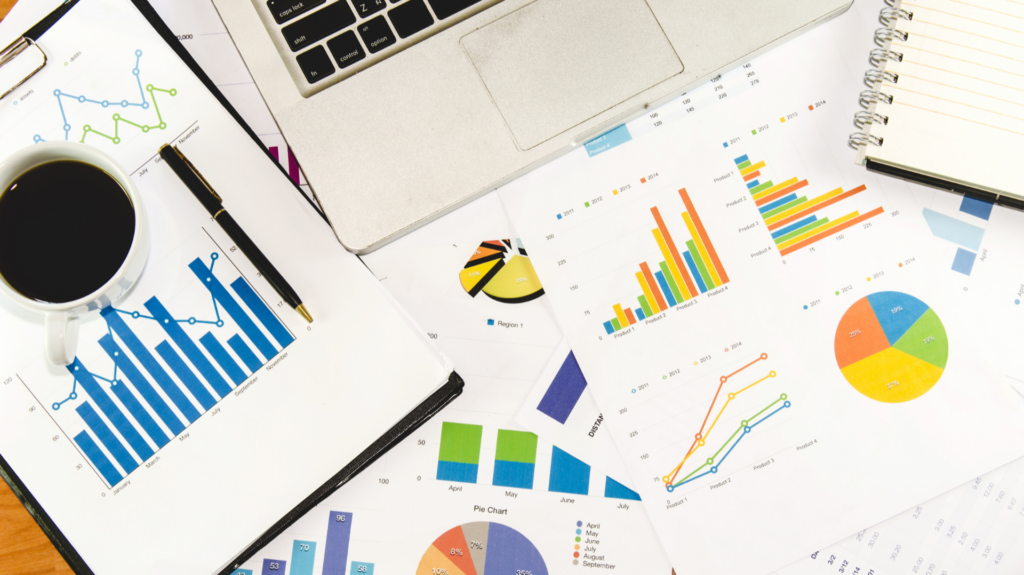
E-commerce data analytics gives businesses a clearer view of how their online store performs across different areas. By examining patterns in customer activity, sales, and website performance, businesses can identify opportunities to improve the shopping experience and make more informed decisions.
Identify Customer Behavior
Customer data can show which products shoppers view, how long they spend on key pages, and where they drop off in the purchasing process. These insights can help businesses identify friction points and make changes that support a smoother path to purchase.
Improve Product Performance
Analytics can help businesses compare products based on sales, revenue, views, and customer interest. Products that consistently perform well can receive more attention, while underperforming products can be reviewed for issues with pricing, descriptions, visibility, or demand.
Optimize Store Performance
Online store analytics can also highlight areas of the website that may be affecting sales. Businesses can use this information to improve product pages, navigation, checkout processes, and other parts of the store based on how visitors actually interact with them.
Using E-commerce Analytics for SEO, Marketing, and Conversion Optimization
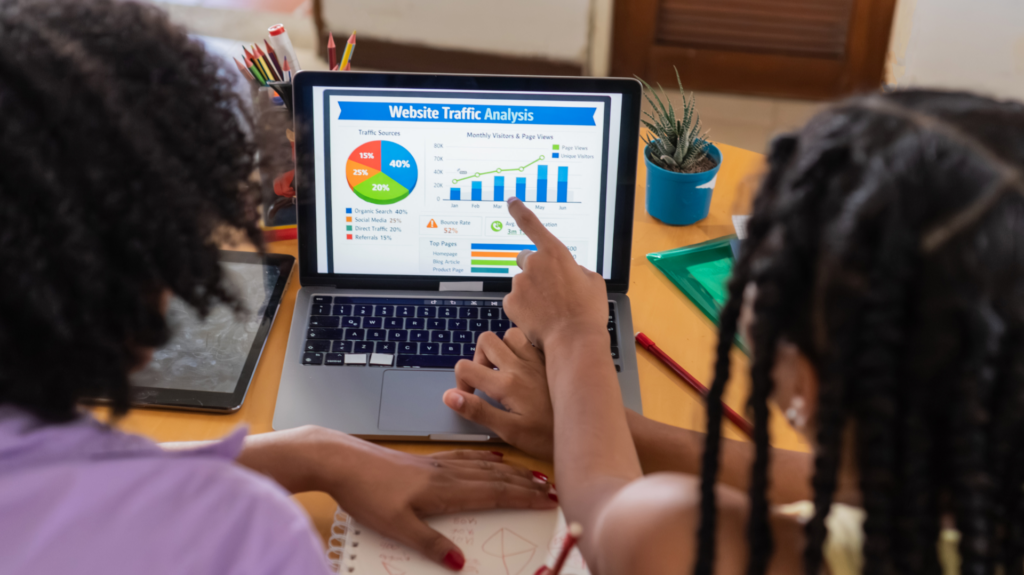
E-commerce analytics can support several areas of an online business, from attracting visitors to helping them complete purchases. Looking at performance data across these activities makes it easier to understand which strategies are contributing to store growth and where changes may be useful.
Support E-commerce SEO
Analytics can show which pages attract organic visitors, which search terms bring traffic, and how visitors behave after arriving from search engines. These insights can help guide content and optimization efforts, as explained in our E-Commerce SEO guide.
Improve E-commerce Marketing
Marketing data helps businesses compare the performance of different channels, campaigns, and audiences. Reviewing traffic, engagement, conversions, and revenue can help determine where marketing efforts are producing useful results. Our guide to E-Commerce Marketing covers strategies for reaching and engaging online shoppers.
Increase Conversions
Analytics can reveal where potential customers drop out of the purchasing journey, which provides a starting point for improving the experience. Businesses can use these findings to test changes to product pages, checkout steps, offers, and calls to action. For more on

Final Thoughts
E-commerce analytics helps businesses understand how their online store attracts visitors, serves customers, and generates sales. By tracking relevant metrics, businesses can identify what is working and where improvements may be needed.
Connecting data to clear business goals makes analytics more useful. Regularly reviewing sales, customer behavior, website activity, and marketing performance can support better decisions and help improve the overall shopping experience.
Frequently Asked Questions: E-commerce Analytics
What tools can be used for e-commerce analytics?
Common options include Google Analytics, built-in analytics from e-commerce platforms, customer relationship management systems, and reporting dashboards. The right choice depends on the store’s platform, size, and reporting needs.
How often should an online store review its analytics?
Most stores benefit from checking important metrics weekly and conducting a deeper review monthly. Larger stores or businesses running frequent campaigns may need more frequent monitoring.
Can e-commerce analytics help with inventory planning?
Yes. Historical sales patterns can help businesses identify products with consistent demand and periods when sales typically increase. This information can support inventory planning and reduce the risk of running out of popular products.
How can analytics help with pricing decisions?
Businesses can compare sales patterns, order values, product demand, and customer responses to different prices. This information can provide useful context when reviewing pricing strategies.
What role does mobile data play in e-commerce analytics?
Mobile analytics show how customers using smartphones and tablets interact with an online store. Comparing mobile and desktop behavior can help identify differences in browsing, engagement, and purchasing activity.
How can businesses use analytics to understand customer segments?
Customer data can be grouped by characteristics such as purchase history, location, acquisition source, or shopping frequency. Comparing these groups can reveal which segments are most engaged or valuable to the business.