

Key Takeaways:
- Traffic Without Conversion Is Wasted: Getting visitors to your store means nothing if the experience drives them away before they buy.
- Fix The Leaks Before Scaling: Identifying and removing friction points on key pages produces faster revenue gains than increasing ad spend.
- Trust Closes The Sale: Reviews, transparent policies, and security signals answer the objections that prevent undecided shoppers from converting.
Most E-commerce stores have a traffic problem they have misdiagnosed. The instinct when sales are slow is to spend more on ads, drive more visitors, and wait for the numbers to improve. But if the store itself is the problem, more traffic only amplifies the loss. Every visitor who lands and leaves without buying is a cost, not just a missed opportunity.
At RetailHub, we analyze what drives purchase decisions across every product category we cover. Conversion rate is one of the most telling signals we track. It reveals how well a store communicates value, builds trust, and removes the friction that stands between a visitor and a completed order. We publish independent rankings, expert analysis, and honest reviews, and the brands performing best in our coverage share one consistent trait: they have built stores that convert.
This guide covers the practical side of E-commerce conversion rate optimization, from diagnosing where visitors drop off and fixing the pages that drive revenue, to the trust signals that close sales and the testing process that turns insights into compounding gains.
Understanding Why Visitors Leave Without Buying
Before optimizing anything, understand exactly where and why visitors exit. Fixing the wrong pages wastes time while the real problem keeps costing sales.
The Psychology Behind Abandoned Carts
Cart abandonment averages nearly 70 percent across E-commerce. Shoppers leave for predictable reasons: unexpected shipping costs, forced account creation, and uncertainty about returns. E-commerce CRO starts with identifying the specific reasons your customers abandon rather than applying generic fixes built for someone else’s store.
Friction Points That Kill Purchase Intent
Friction is anything that makes the path from interest to purchase harder than it needs to be. Too many checkout steps, unclear product information, slow load times, and missing payment options all create moments where motivation runs out before the journey completes.
How Site Speed Directly Impacts Conversions
A one-second delay in load time can reduce conversions by up to 7 percent. On mobile, the impact is sharper. Speed is a direct input into how many visitors complete a purchase, not a technical detail to address later.
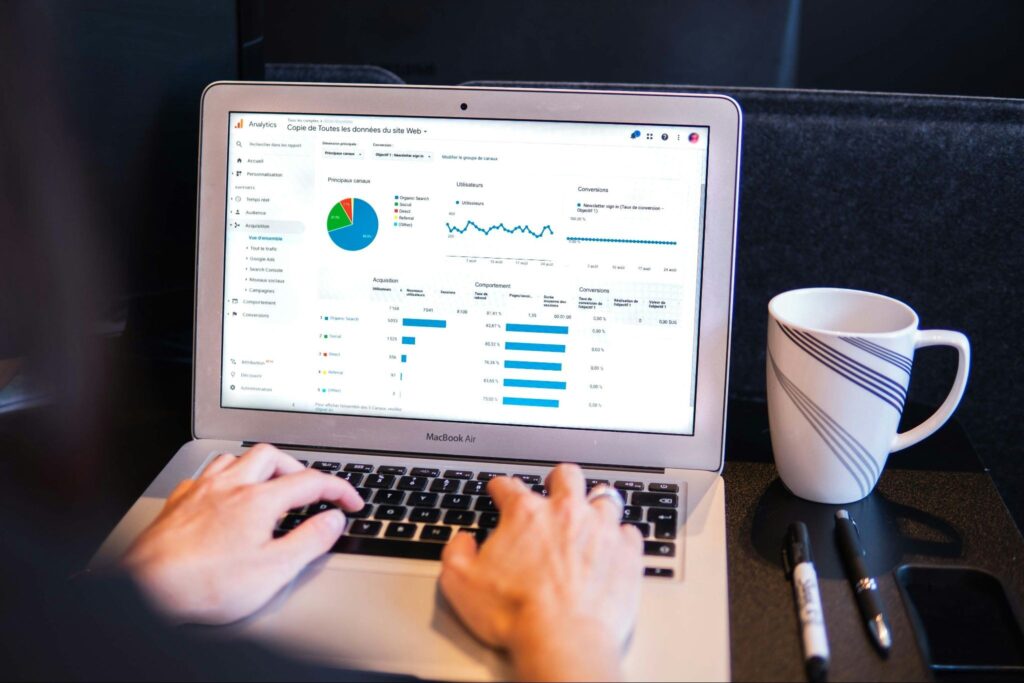
Reading Your Analytics To Find The Leaks
High bounce rates on product pages signal a mismatch between what brought the visitor and what the page delivers. High drop-off at checkout signals friction in the purchase flow. Mapping exit points before touching any element ensures optimization effort goes where it produces the most impact.
Optimizing The Pages That Drive Revenue
Not every page carries equal conversion weight. Focusing on pages that sit directly in the purchase path produces faster results than spreading effort evenly across the site.
Product Page Elements That Build Purchase Confidence
Clear benefit-led descriptions, quality images, visible pricing, and a prominent Add to Cart button reduce the mental effort required to decide. Pairing strong product pages with a well-structured E-commerce email marketing sequence captures visitors who need more time and brings them back when they are ready.
Checkout Flow Design That Reduces Drop-off
The checkout is where purchase intent peaks and friction is most costly. Unexpected costs at the final step, forced account creation, and unnecessary form fields lose sales the rest of the store worked hard to earn. A streamlined guest checkout with a visible order summary throughout reduces drop-off at the most critical point in the journey.
Homepage And Category Page First Impressions
Increase E-commerce sales by treating the homepage and category pages as conversion assets. A homepage that immediately communicates who the store is for and why it is worth trusting sets the right expectations before a visitor reaches a product page. Category pages that filter intuitively and load fast reduce the effort required to find something worth buying.
Mobile Shopping Experience And Conversion Impact
Mobile conversion rates lag desktop on most stores not because mobile shoppers buy less, but because most stores are not built for mobile-first browsing. Thumb-friendly buttons, fast-loading images, and a clean checkout flow on small screens close the gap between mobile traffic and mobile revenue.
Trust Signals That Turn Browsers Into Buyers
Every purchase carries risk. Trust signals reduce perceived risk to a level where buying feels safe and the decision becomes easy.
- Reviews, Ratings, And Social Proof Placement: Customer reviews near the Add to Cart button reduce anxiety at the exact moment it is highest. Star ratings visible in search results improve click-through before a visitor even reaches the page. Social proof is one of the most reliable conversion levers available across every product category.
- Transparent Shipping And Return Policies: Uncertainty about shipping costs is one of the top reasons shoppers abandon. Displaying clear E-commerce shipping costs and timelines on the product page rather than in a footer removes a major objection before it forms. A return policy written to reassure rather than restrict increases confidence measurably.
- Security Badges And Payment Reassurance: SSL certificates, recognizable payment logos, and trust badges near checkout entry points signal a safe transaction. These cues matter most to first-time buyers with no prior purchase history to draw confidence from.
- Brand Storytelling As A Conversion Tool: Shoppers buy from brands whose identity resonates, not just stores that carry the right product. A genuine About page, imagery that reflects the actual customer, and a consistent tone across all touchpoints build the affinity that converts browsers who are otherwise undecided.

Testing, Iterating, And Scaling What Works
Conversion optimization has no finish line. It is a continuous process of forming hypotheses, running structured tests, and building on what consistently moves revenue.
How To Run A/B Tests That Produce Real Insights
A valid A/B test changes one element at a time and runs long enough to reach statistical significance. Testing a headline, a button, or a product image generates real data about what influences the specific audience in a specific store. Assumptions about what will work are frequently wrong. Data from real visitors is rarely.
Prioritizing Which Pages To Optimize First
Pages with high traffic and low conversion rates represent the largest opportunity. A product page with 5,000 monthly visitors at 1 percent conversion deserves far more attention than one receiving 200 visitors at 4 percent. Prioritizing by traffic volume and revenue potential keeps effort focused on the changes that compound fastest.
Using Heatmaps And Session Data Effectively
Heatmaps show where visitors click, scroll, and stop engaging. Session recordings reveal the moments of confusion that analytics alone cannot surface. Understanding how to sell online becomes actionable when it is grounded in what real visitors are actually doing on real pages.
Building A CRO Culture Into Your Team
CRO produces the best results when it becomes a standing discipline. Reviewing conversion metrics weekly, running at least one active test at all times, and treating every page change as a measurement opportunity builds compounding improvement that separates growing stores from stagnant ones.

Final Thoughts
Conversion rate optimization is the fastest path to more revenue from the traffic a store already has. Every friction point removed and every trust signal added is a permanent improvement that compounds with every visitor who arrives afterward.
At RetailHub, we track what separates brands that grow from those that plateau. Independent rankings, honest reviews, and data-driven analysis surface what actually works across every category we cover.
If your store is attracting visitors but not converting them at the rate it should, the diagnostics in this guide are where to start.
Frequently Asked Questions About E-commerce Conversion Rate Optimization
What is a good conversion rate for an E-commerce store in 2026?
Most stores average one to four percent, with top performers consistently exceeding that range.
What is the fastest way to improve E-commerce conversion rate?
Fixing checkout friction and adding visible social proof typically produce the fastest measurable gains.
How does page speed affect E-commerce conversion rates?
A one-second delay can reduce conversions by up to seven percent, with sharper impact on mobile.
Should small E-commerce stores invest in CRO before scaling traffic?
Yes, optimizing conversion first ensures ad spend goes further and produces consistently better returns.
How many pages should be tested at once in a CRO program?
Focus on one test per significant page type to keep results clean and actionable.
Does improving trust signals really increase E-commerce sales?
Yes, reviews, clear return policies, and security badges consistently lift conversion rates for new visitors.